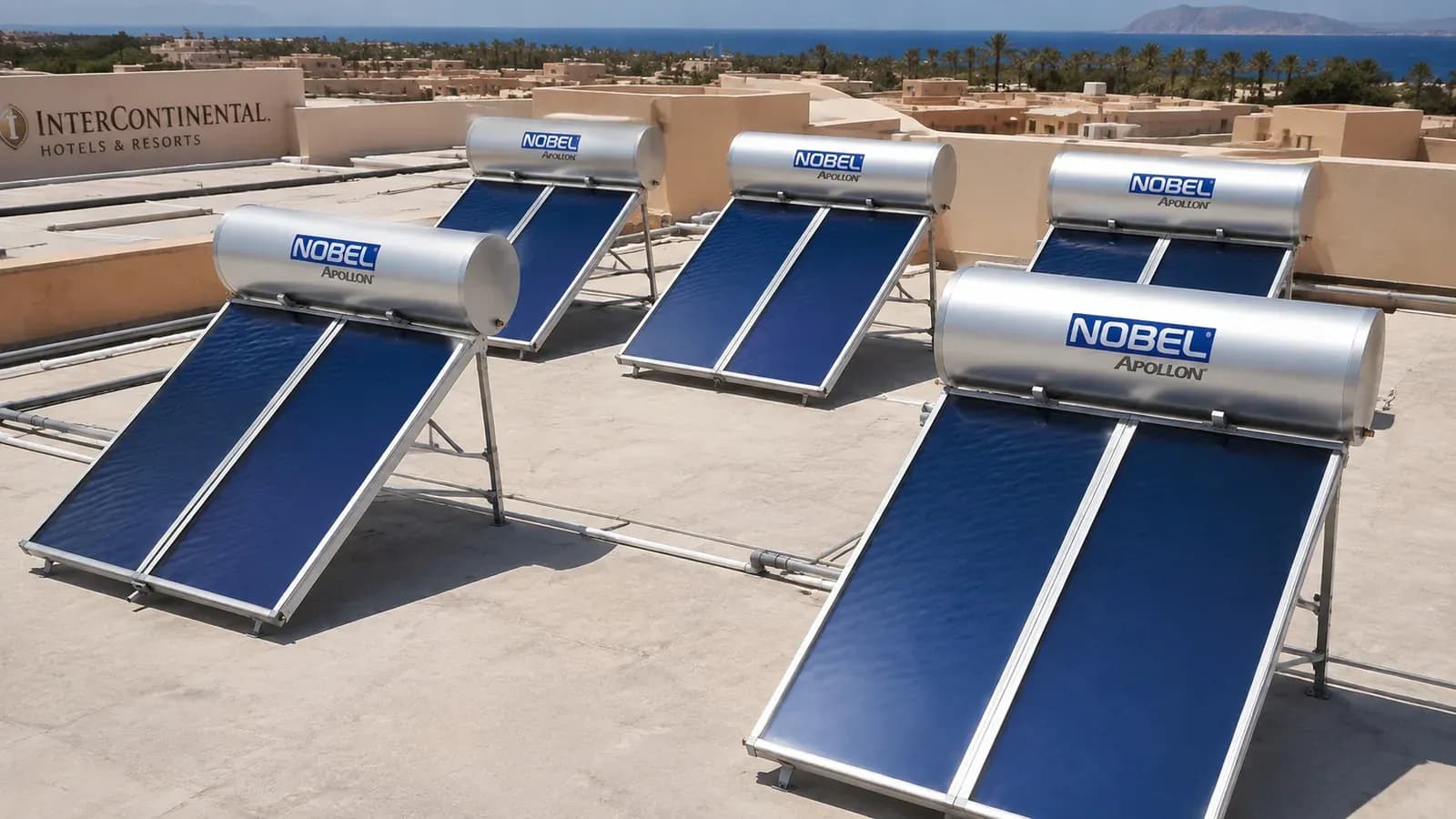


There's no single number that answers "how many litres does my solar heater need?" — the answer is set by your household size, your number of bathrooms, and how much of that use overlaps, not by a generic figure that applies to every home. Anyone who tells you "X litres suits a family of Y" is oversimplifying something that genuinely varies from one home to the next — two households with identical headcount can need very different capacities depending on the rest of the picture. The principle itself is simple: the more people, bathrooms, and overlapping usage a home has, the more storage it needs so nobody runs out of hot water mid-shower.
Why isn't there a fixed number?
Because capacity isn't a function of headcount alone. Two homes with the same number of people can still differ in ways that matter: one has a single bathroom, the other has two; one household showers all together in the morning, the other spreads it through the day; one has a washing machine and kitchen heater tied into the same system, the other doesn't. Each of those differences shifts the required capacity noticeably. That's why a generic table you find online gives you a rough estimate that can be well off your actual need — and being wrong in either direction costs you: too small means running out of hot water, too large means paying for storage and installation you don't need. Think of it like shoe size: a generic "most people wear size X" answer won't fit you if your size is different, and the same is true of any generic litre figure floating around online.
What actually sets the litres
- Household size: the starting point — more people means more consumption, means more storage needed.
- Bathrooms + overlap: two bathrooms used at the same time need more storage than one, even with the same headcount.
- Usage patterns: daily showers, a busy kitchen, and a washing machine add up together, even if each one alone seems small.
- Season and weather: consumption and reliance on the backup heater both rise a little in winter, so the calculation accounts for it.
The precise figures — the exact litre count, and which model covers it — depend on the capacities actually available in the catalogue, which the team confirms during the inspection or through the calculator, not by guessing. Once you know your capacity, one example of a category worth looking at is the Nobel Hyperion range, built for medium-to-high consumption homes.
A common mistake: sizing off your neighbour's heater
A question we hear a lot: "my neighbour has an X-litre heater and their home is like mine, so the same number should work for me, right?" Not necessarily. Even with identical headcount, a difference in bathroom count, usage timing, or something as simple as their washing machine being tied into the heater and yours not, is enough to shift the right number for your home noticeably. Asking around is a fine starting point for the general idea, but it's not a substitute for calculating your own home properly — small differences in usage patterns add up across the day and genuinely change the capacity you need. The same logic applies to any number you see in a general social-media post claiming to suit "every home" — that figure was calculated for one specific situation, not yours.
Why oversizing isn't "smart caution"
A common instinct is to size up "just to be safe" — but that's a cost with no real upside. A capacity bigger than your actual need means more storage and installation footprint without real use for it, which is extra weight and extra cost on your roof and your budget for nothing in return. On the other side, undersizing means hot water runs out fast and the household either waits or leans on the backup heater more than it should. The goal isn't the biggest number possible or the cheapest one — it's the number that matches your actual consumption exactly, and that's what the calculator and the inspection together get you to.
Capacity and price: a direct link worth understanding before you ask about cost
The question "how many litres?" and the question "how much will it cost?" are directly linked — capacity is the single biggest driver of final price, which is exactly why it makes sense to settle capacity before comparing prices across models; comparing the price of two different capacities isn't a fair comparison to begin with. For a full breakdown of what shapes the price beyond capacity, read solar heater prices in Egypt after getting your starting capacity from the calculator.
Your need can change over time — how to handle that
A newly married couple's home looks nothing like it will in five years if children come along, and a home with kids in university looks different again once they marry and move out. The natural question: calculate for today, or for the future? The practical answer: calculate for your actual need now, but if a change is near-certain and coming soon (within a year or two), mention it at the inspection so it can be factored in. Sizing up significantly "in case something changes eventually" isn't an economical decision, but ignoring a near-certain, near-term change isn't a smart one either. That balance is exactly what an inspection technician helps you strike — not an online calculator alone — because they hear the actual details of your plans, not just a number on a screen.
Litres are one factor of four — and the other three move the number
Capacity is not a number calculated in isolation. It is part of specification — one of four factors that set the system and its price — and the other three genuinely move it:
- Consumption pushes the litres up or down. The same headcount can produce two different capacities: a household whose use is simultaneous (everyone in the morning) needs more storage than one spread across the day. The number follows the pattern of use, not the count of heads.
- Fit with the house can split the capacity. A small, divided or partly shaded roof can make the right answer more than one unit instead of a single large one, or move the system somewhere else entirely. The roof does not just receive the number — it helps set it.
- Material quality decides how long those litres stay hot. A tank with weaker insulation loses heat faster, so the same capacity feels less sufficient late at night and early in the morning. Comparing two models on litres alone is not a fair comparison when the materials differ.
That is why the calculator asks about home type, bathrooms and household size before it gives you an initial capacity — and why the inspection looks at the roof in person before that number is fixed.
So how do I find my home's exact capacity?
In under a minute: answer three questions in the calculator — home type, bathrooms, and household size — and get the right starting capacity for your home specifically. That's far more accurate than any generic figure online, because it's calculated from your own inputs, not an assumed average. Then the free inspection confirms that number on-site once the team sees your roof and your actual usage — because even the most accurate online calculator still needs field confirmation before installation. If you want a broader starting point before the calculator, begin with how to choose the right heater?, and if your home is a flat or a villa and you want to know how that affects capacity, read solar heater for a flat or a villa? And if you're still comparing solar against electric before committing to a capacity decision at all, see solar heater or electric?
Find your right capacity ← then Book a free inspection to confirm it on-site.
Frequently Asked Questions
How many litres does a solar heater need for a family?
It depends on household size, bathrooms, and simultaneous use — not a fixed number. The [calculator](/en/advisor) gives you your home's starting capacity in a minute.
Does more people always mean more litres?
Yes — consumption rises with people and bathrooms together, so capacity grows with them, but not on a simple straight-line basis, which is why calculating per household is more accurate than a general rule.
Is the number the calculator gives final?
It's an accurate starting point; the free inspection confirms it against your roof and actual usage before you commit to anything.
If my household size is likely to grow soon, do I calculate for now or for later?
Mention it at the inspection — the team factors in any near-term expected growth so you don't need to resize within a year or two.
Does the right capacity change between summer and winter?
Actual need rises a little in winter because reliance on the backup heater increases, and the calculation accounts for both seasons, not just the best day of the year.
Got a question about what you just read?
Talk to Aurora's team directly for a straight answer — or book a free site inspection if you're ready.