

Yes, a boiler is safe — on one real condition: a correct installation with sound ventilation and flue, plus regular maintenance. Bad installation is what causes problems, not the appliance. That is not a reassuring phrase; it is an accurate description of where risk comes from. Most incidents involving domestic gas appliances trace back to installation, ventilation or neglect rather than a manufacturing fault.
This article will not tell you to relax and leave it there. It sets out what specifically makes an installation safe, so you can verify it yourself — whether you installed with us or with someone else.
The real sources of risk, by name
To protect yourself, you need to know where the danger actually comes from:
- Incomplete combustion from insufficient ventilation. A boiler burns gas, and combustion needs air. If the space is sealed or ventilation falls below requirement, combustion becomes incomplete — producing carbon monoxide, a gas with no colour and no smell. This is the single most serious item in the whole subject.
- A badly fitted or blocked flue. Combustion products must leave the building entirely. A flue that is too short, at the wrong angle, or blocked by nests or dust pushes those products back inside.
- A leak at the gas connections. This usually announces itself by smell, since gas is deliberately odorised so leaks can be detected.
- Installation in a prohibited location. Bedrooms, sealed bathrooms and narrow light wells are not places for boilers.
- Tampering or modification by a non-specialist. Any intervention in the gas or flue route by someone unqualified invalidates every calculation behind it.
The conditions of a safe installation
A competent installer accounts for these, and you can ask about them and verify them:
- Location: a space with permanent ventilation, not a window opened when someone remembers. A ventilated kitchen, service balcony or dedicated space — not a bedroom, sealed bathroom or narrow shaft.
- Permanent ventilation: low and high vents that stay open. This is the thing most often blocked up later "because of the cold" — and that is precisely what creates the hazard.
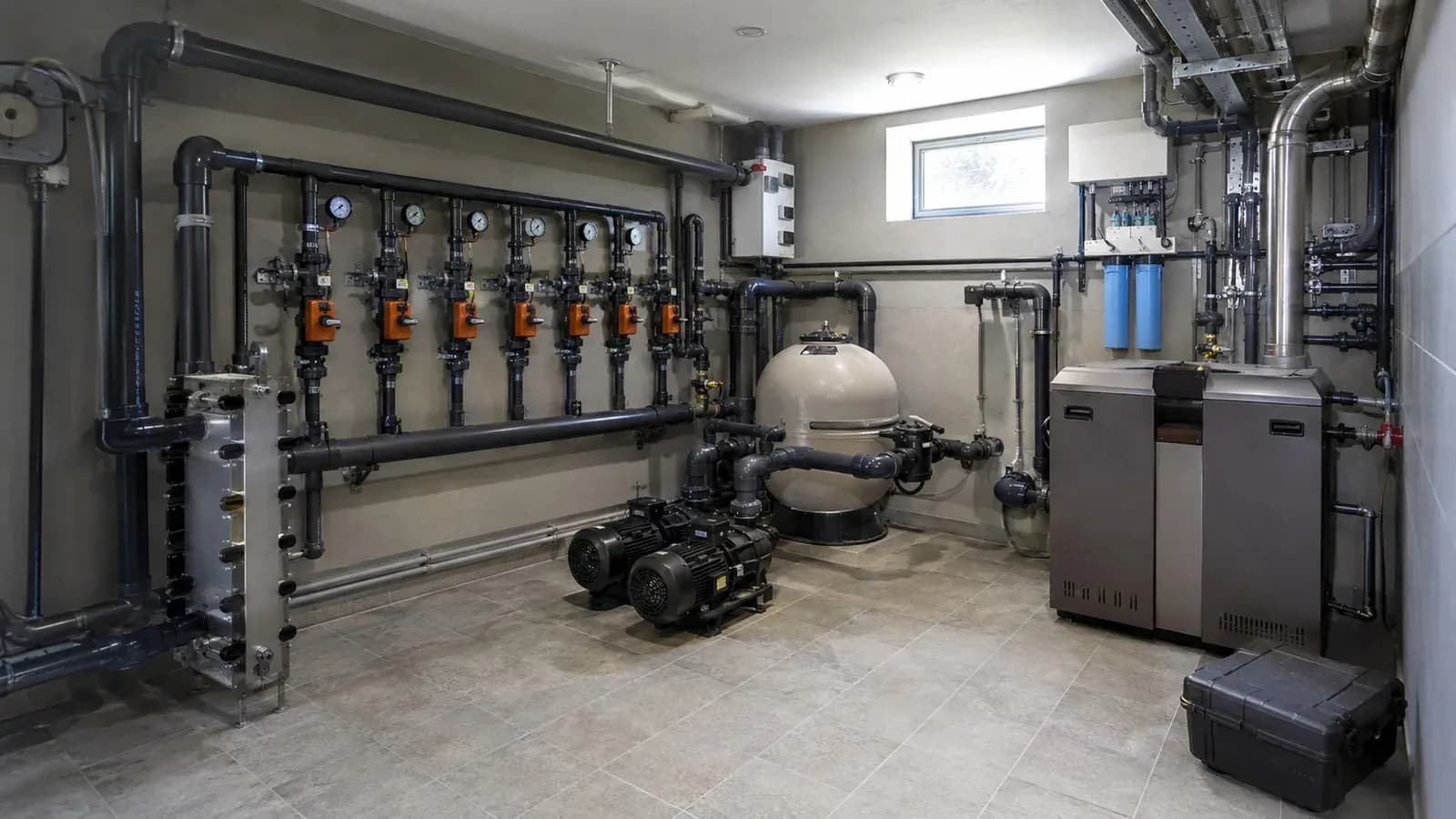
- The flue: correctly sized and routed, genuinely discharging outside rather than into an enclosed shaft, and angled to prevent water running back.
- Gas connections: materials rated for gas lines, and an isolating valve close to the appliance that you can reach easily.
- Testing after installation: the technician tests the connections, fires the unit and confirms clean combustion before leaving.
If you smell gas, do this in order
These steps matter most when they are known before they are needed:
- Close the gas valve immediately.
- Open the windows and let the air clear.
- Do not operate any electrical switch — do not turn lights on or off, and do not use any appliance. A small spark is the ignition source.
- Call the gas company immediately.
- Do not attempt to dismantle or repair gas, electrics or pressure components yourself.
That order is not a detail — "do not operate any electrical switch" is the step most often ignored, and it is the most dangerous one to ignore.
Regular maintenance is part of safety, not a luxury
A boiler running for years with nobody inspecting it is a hazard accumulating quietly: a flue silting up gradually, a connection working loose a little at a time, ventilation blocked one winter and never reopened.
Regular maintenance checks exactly those points before they become a problem. Aurora's maintenance service runs as a separate track from new installation requests, with its own number and team — because a failed system at an existing customer is urgent and should not wait behind a queue of quotations.
Signs that should stop you immediately
If you notice any of these, shut the boiler down and call a technician:
- A yellow or orange flame instead of blue — an indicator of incomplete combustion.
- Soot or scorch marks around the appliance or the flue.
- Any unusual smell, or a smell of gas however faint.
- Headaches, dizziness or nausea affecting more than one person in the home and clearing when you go outside — a symptom of carbon-monoxide poisoning that must be taken seriously and immediately.
- The boiler shutting itself down frequently or showing repeated fault codes.
What to ask the company before you sign
Before paying any deposit, ask three questions: who will carry out the installation and are they a gas specialist · will the flue and ventilation location be assessed at the survey before the position is fixed · and is there a test after installation. A serious company answers all three easily, because it does them as a matter of course. A company that dodges those questions is telling you more than any marketing copy — and the full criteria for choosing an installer are in how to choose a trustworthy installation company.
Aurora installs to specification and follows up after the sale, and the free inspection determines location, ventilation and flue before any offer — not after the unit arrives.
Frequently Asked Questions
Is a gas boiler safe at home?
Yes, when installed correctly with sound ventilation and flue and kept under regular maintenance. Bad installation and insufficient ventilation are the sources of risk, not the appliance itself.
Can I install a boiler in a bedroom or bathroom?
No. A boiler needs a space with permanent ventilation such as a ventilated kitchen, service balcony or dedicated space — not a bedroom, sealed bathroom or narrow shaft.
What do I do if I smell gas?
Close the gas valve, open the windows, do not operate any electrical switch at all, and call the gas company immediately. Do not attempt to dismantle or repair anything yourself.
What is the most serious risk with a gas boiler?
Incomplete combustion caused by insufficient ventilation, because it produces carbon monoxide — a gas with no colour and no smell. That is why permanent ventilation and a sound flue are not optional.
What does a yellow flame mean?
It indicates incomplete combustion. If you see it, shut the boiler down and call a specialist before running it again.
Is regular maintenance necessary for safety?
Yes. Flues silt up gradually, connections need checking, and vents sometimes get blocked over winter — maintenance catches all of that before it becomes a hazard.
Got a question about what you just read?
Talk to Aurora's team directly for a straight answer — or book a free site inspection if you're ready.