
The difference between a pressurised and a non-pressurised system is not in the heating — both heat from the sun on the same principle. The difference is the water pressure coming out of your tap and shower, and that is what you feel every day.
In short: the non-pressurised system works on gravity — water falls from the tank on the strength of its height alone. The pressurised system works on mains pressure, so it delivers the same force as the rest of the house.
Non-pressurised — how it works and when it's enough
The tank is open to the atmosphere, and water reaches the bathrooms through the height difference between tank and outlet. So the higher the tank sits, the greater the pressure.
It is enough when: the tank genuinely sits well above the outlets (a roof directly over the top floor), use is ordinary and doesn't demand strong pressure, and the taps and showers are not the type that need pressure to work properly.
Its real drawback: pressure falls the further down you go, and it shows most clearly with modern showers and mixer taps. And if an outlet sits close to the tank's level or on the same floor, pressure is noticeably weak.
Pressurised — how it works and when it becomes necessary
The tank is sealed and built to withstand mains pressure, so hot water leaves at roughly the same pressure as the cold. The result: the shower delivers the same force whether you open hot or cold, with no swing that makes the water lurch when someone opens another tap.
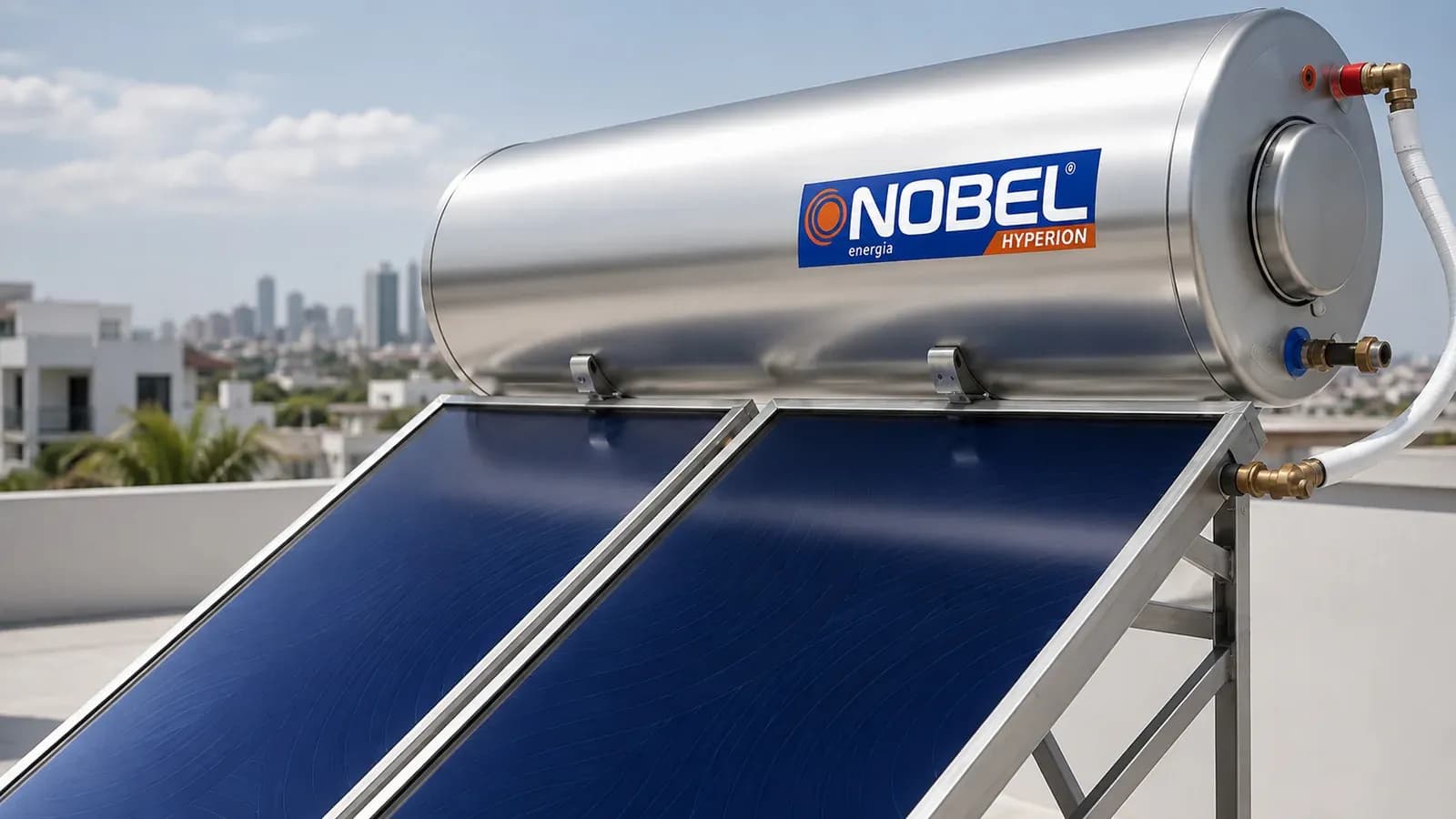
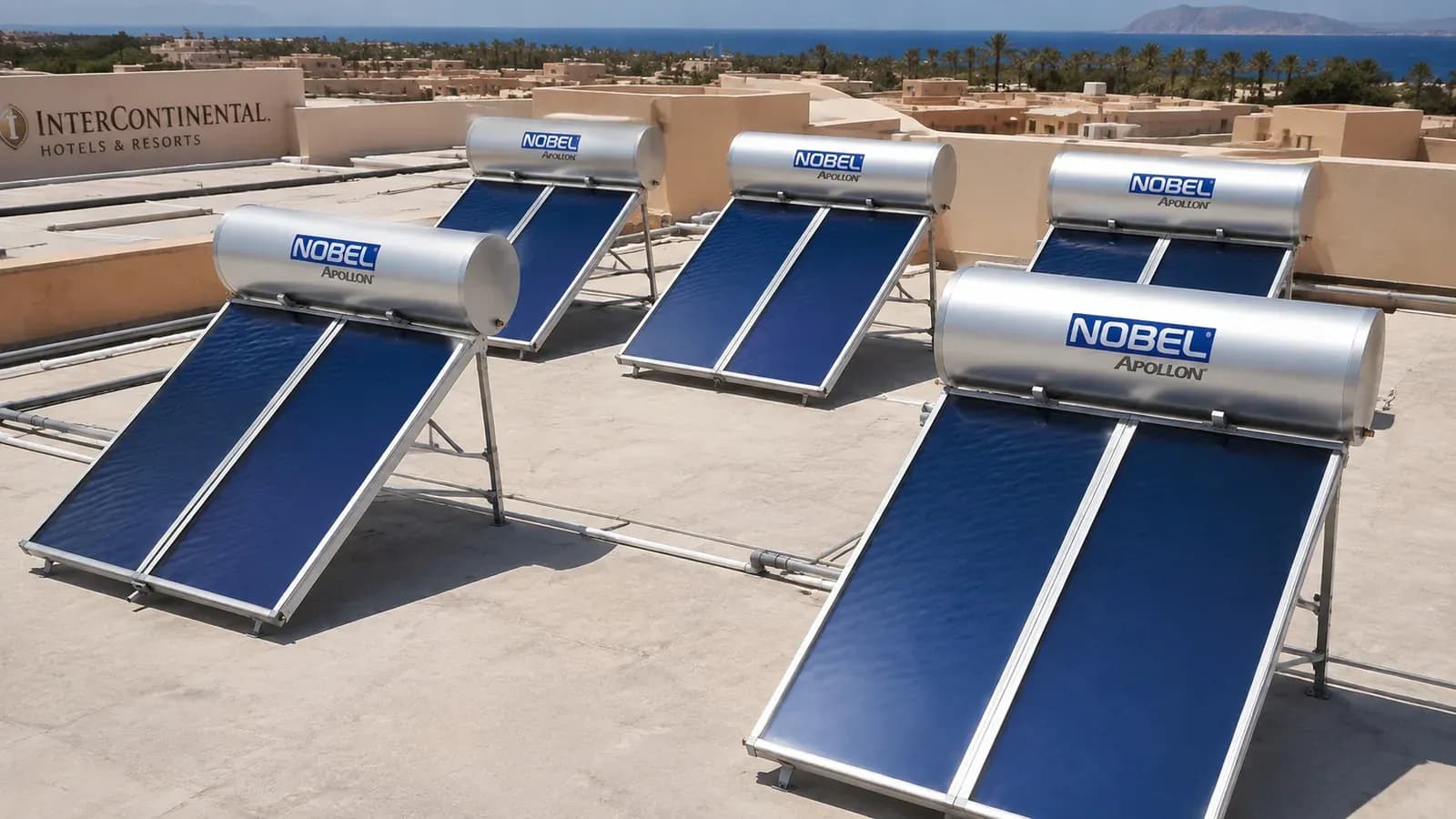
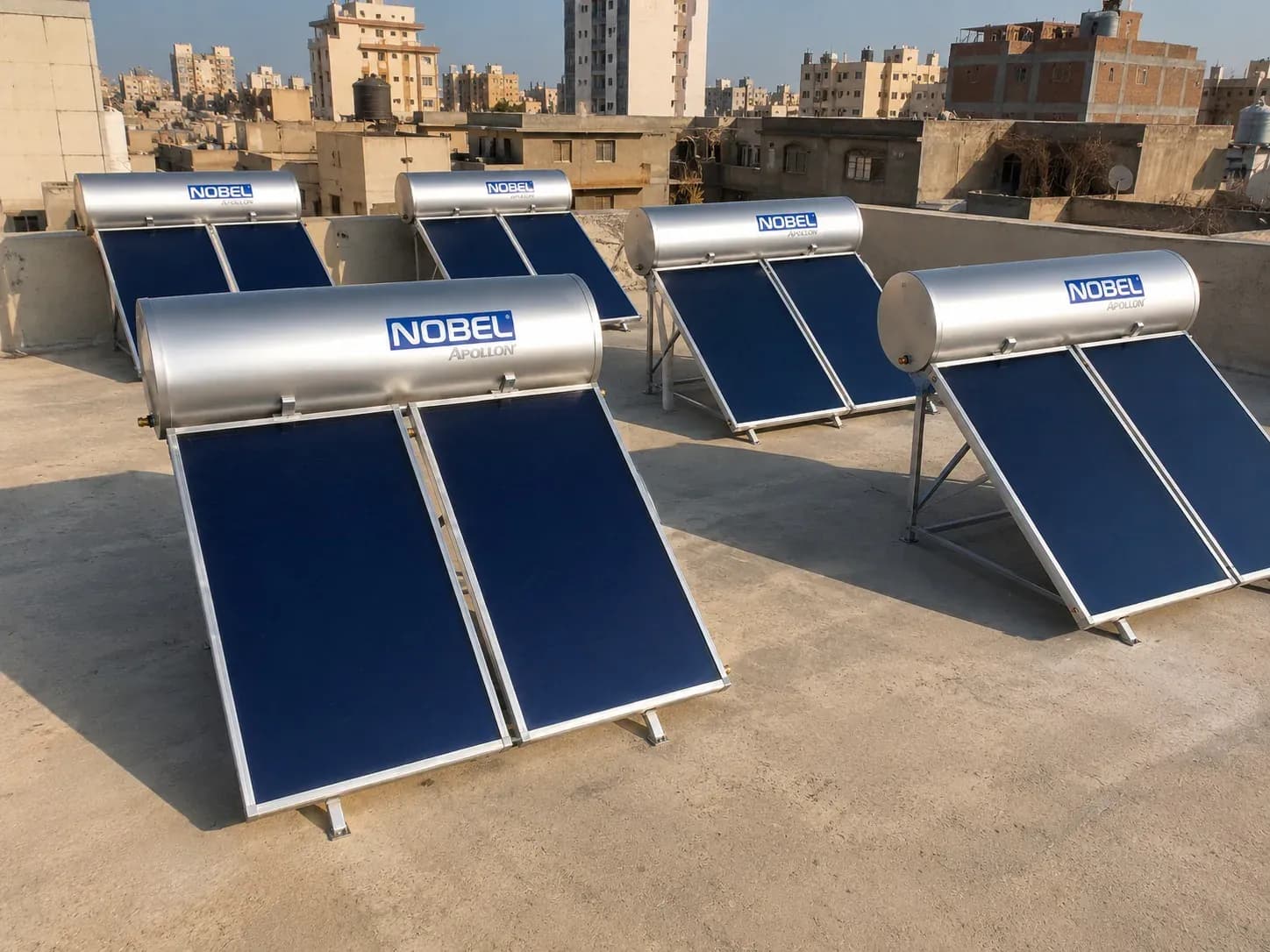
Because the tank holds pressure, its build is sturdier and purpose-designed. Nobel Apollon, for instance, has an operating pressure of up to 15 bar, a figure from the approved catalogue.
It is the right choice when: you want steady, strong pressure matching the rest of the house · you have more than one floor and the tank isn't high enough · you use showers or mixers that need pressure · or you simply don't want to feel a difference between hot and cold.
How to tell which one you already have
If you have an existing system and aren't sure of its type, the clearest test is from inside the house, not from the roof:
- Run the shower on hot, then on cold, and compare the force. A clear difference (hot weaker) = probably non-pressurised. Roughly the same force = pressurised.
- Try opening another tap while the shower runs. If the hot water weakens sharply, that is a second indicator of a gravity-fed system.
When do you need a pump?
A booster pump is fitted to compensate for insufficient pressure, and it is not an alternative to the type — it is treatment for a symptom. The cases where it appears:
- A non-pressurised system where the tank isn't high enough above the outlets.
- Weak mains pressure in the area, which affects even a pressurised system.
- A long distance between tank and furthest outlet, making pipe losses noticeable.
What matters is knowing a pump is an additional component with its own cost, space and maintenance — it is always better for the design to solve the problem at its root where possible, with the pump as the answer when there is no alternative. It is one of the accessories that enter the cost calculation from the start.
Does this affect the saving?
No, and that is worth stating. The saving on your bill comes from the sun doing the heating — identical in both types. The type affects comfort of use (water force and steadiness), not how much electricity you save.
What genuinely affects the saving: the right capacity for your home, installation and insulation quality, and how much sun the position gets. That is covered in installing and maintaining a solar heater.
And which do we supply?
We serve both — we stock spare parts for both systems, and the element types genuinely differ between them (a one-inch element for pressurised, an L-shaped element for non-pressurised), along with control panels and sensors. So if you have an existing system of either type, we can service it and supply its parts.
And the Nobel models we rely on for homes are pressurised closed-loop systems — a choice based on most Egyptian homes wanting steady pressure, not on the other type being "bad".
The practical takeaway
- High floor, tank directly above you, simple use ⇒ non-pressurised may be enough.
- Want steady pressure matching the house, more than one floor, or showers that need pressure ⇒ pressurised.
- Not sure? That is exactly what the survey settles — we measure the likely tank height, the outlets and your mains pressure.
Find your right capacity in a minute, and book a free inspection to settle type and placement on site. If you are comparing models, see the full comparison.
Frequently Asked Questions
What is the difference between a pressurised and non-pressurised solar heater?
The difference is the outgoing water pressure, not the heating. Non-pressurised works on gravity so pressure depends on tank height; pressurised works on mains pressure so it matches the force of your cold water.
How do I tell which type I have?
Run the shower on hot then cold and compare the force. A clear difference (hot weaker) = probably non-pressurised; roughly the same = pressurised.
Which type is better?
There is no absolute better. If the tank sits well above the outlets and use is simple, non-pressurised can be enough. If you want steady pressure, have more than one floor, or use showers that need pressure, pressurised fits better.
Does the type affect electricity savings?
No. The saving comes from the sun doing the heating, which is identical in both. The type affects comfort of use — water force and steadiness.
When do I need a booster pump?
When the tank isn't high enough in a non-pressurised system, when mains pressure is weak in your area, or when the run to the furthest outlet is long. A pump is an added component with cost and maintenance, so it is better for the design to solve it at the root where possible.
Are Nobel models pressurised?
The models we rely on for homes are pressurised closed-loop systems — Apollon, for instance, has an operating pressure of up to 15 bar per the approved catalogue.
Got a question about what you just read?
Talk to Aurora's team directly for a straight answer — or book a free site inspection if you're ready.