
An air conditioner on heat mode does heat — that is not in dispute. The difference is that it heats on an entirely different logic, and that difference decides which suits your home.
In short: an AC heats the air; central heating heats the space. And the gap between them shows in daily feel far more than in the number on the thermostat.
The core difference: moving air versus a warm surface
An AC blows warm air from a unit high on the wall. Warm air naturally rises, so the ceiling ends up warmer than the floor, and the warmth concentrates along the blow direction and thins out at the edges of the room. And for it to reach you, it has to be moving — so you feel a draught.
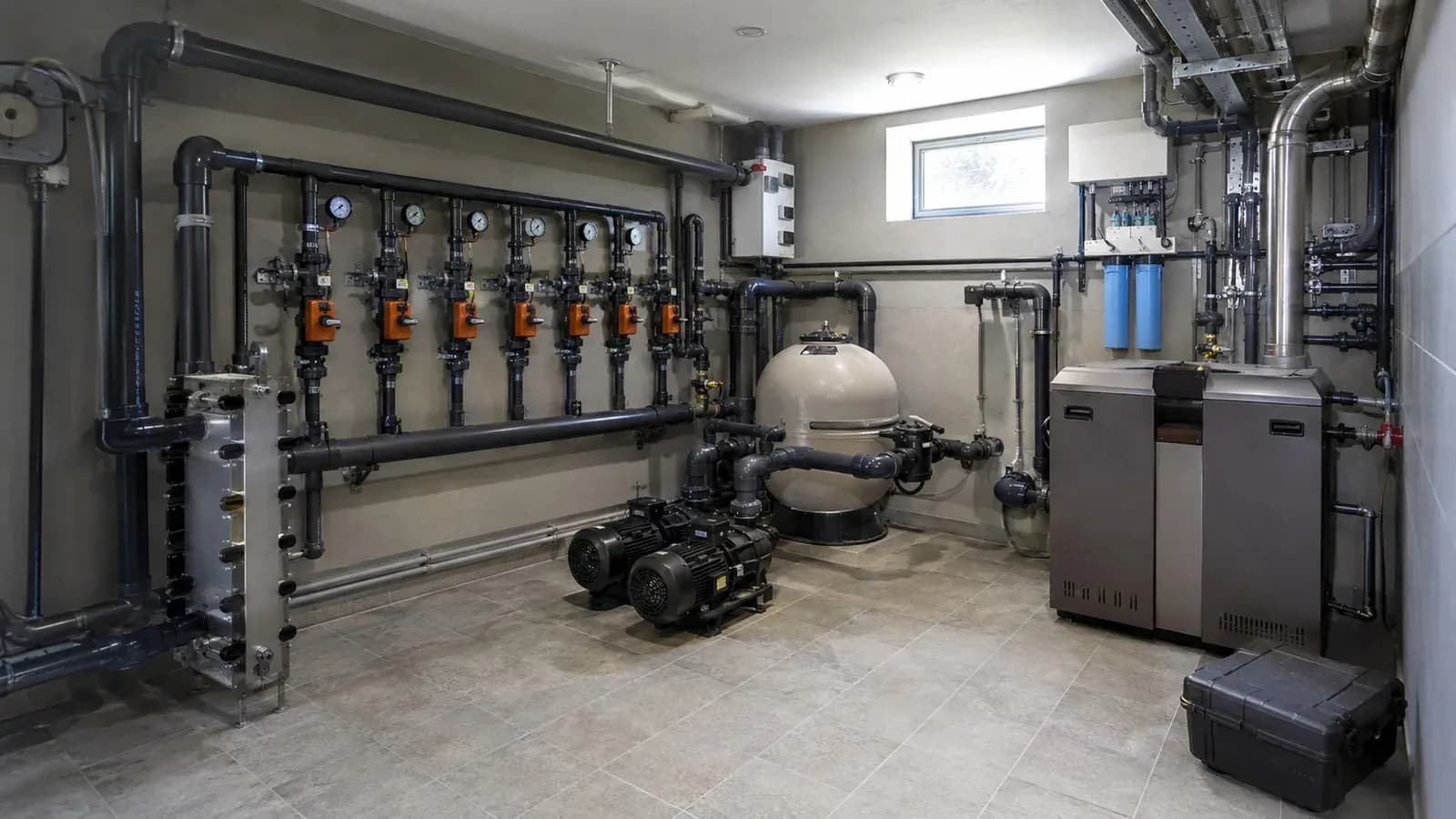
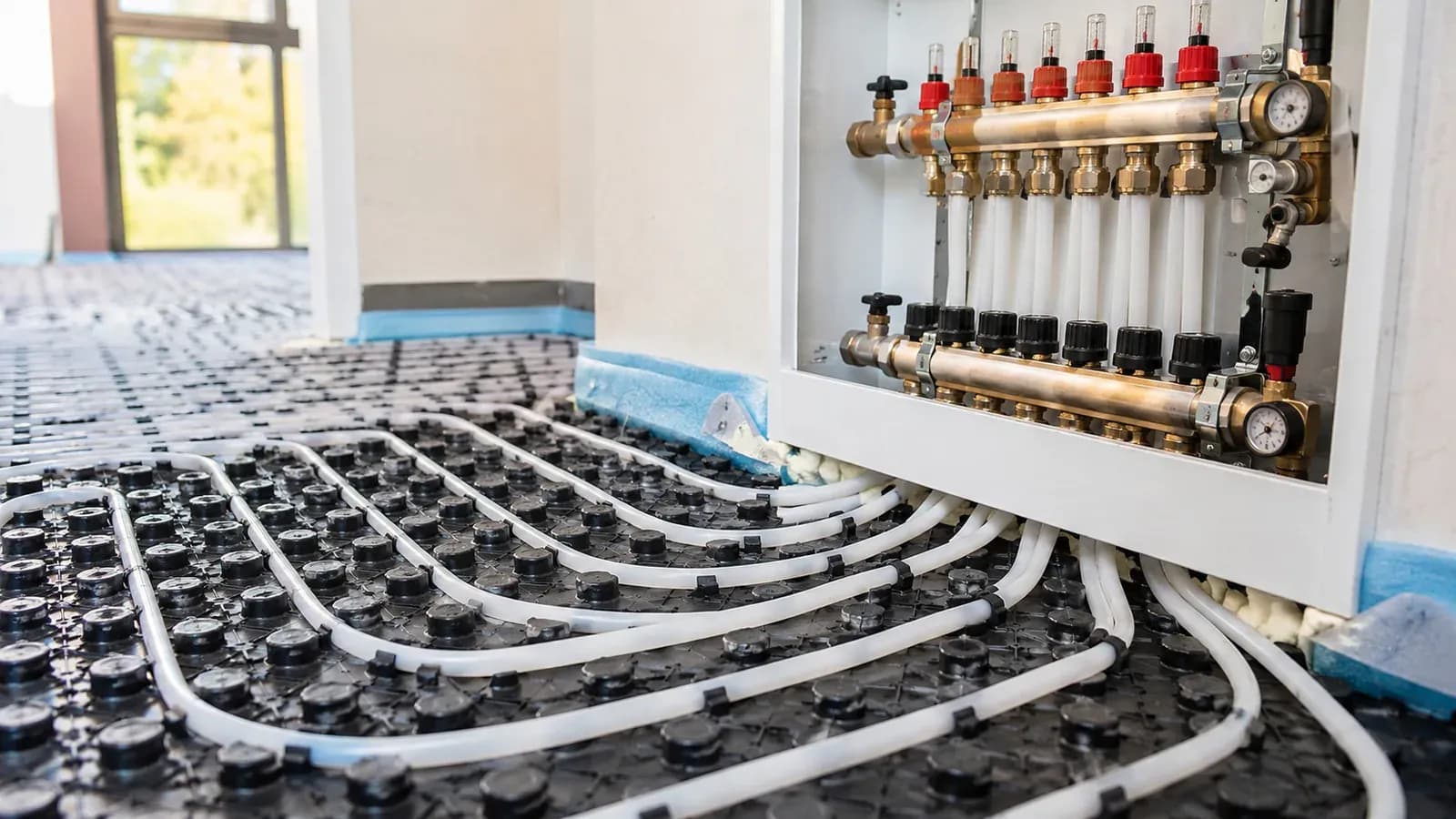
Central heating warms from below or from the room's perimeter: a radiator warms its surroundings, underfloor warms the entire floor evenly. The result is a calmer, steadier sensation with no draught and no cold spots.
The differences you feel daily
- Air and dust movement. An AC keeps air moving constantly, and dust with it. People with allergies notice this one particularly.
- Dry air. Forced warm air dries the room, and many people feel it in the throat or eyes with long running. Central heating affects humidity far less.
- Noise. An AC unit cycles on and off and has fan noise. Central heating is quieter — its quietest element is the radiator itself, silent, with the pump in the plant room.
- Where the warmth reaches. An AC heats the room it is in. Central heating warms every space with a distribution unit — including bathrooms and hallways nobody puts an AC in.
- Appearance. An AC unit is visible high on the wall with an outdoor unit to match. A radiator is less prominent, and underfloor is entirely hidden.
When is AC genuinely enough?
Honestly, there are cases that need no heating system:
- A small or mid-sized flat where winter is mild and use is limited.
- Few rooms, all already fitted with AC.
- Short seasonal use — weeks rather than months.
- A tight budget with AC units already in place.
In those cases, installing a full heating system is a cost that will not come back as comfort worth having. And we say so plainly if the survey shows that.
And when does central heating genuinely matter?
- A villa or large home with open-plan areas and high ceilings — forced air gets lost in them and heating distributes better.
- A long winter or a colder location (high-altitude, desert or coastal areas).
- Running heating for months rather than weeks — here the running-efficiency difference accumulates.
- Wanting warm bathrooms and hallways too, not just rooms.
- Allergies in the household, or sensitivity to dry air.
- Still finishing — the cheapest moment there is.
And who says they are alternatives?
Many homes run both, and that is sensible: central heating as the steady winter base, and AC for summer cooling and for quick warmth in one room when needed.
There is also a practical middle path: central heating in the main spaces — lounge, living room, bathrooms — and AC in the rooms used intermittently. That reduces system size and cost while giving you the difference you are after in the spaces you actually sit in.
An important point about the energy source
Central heating runs from a natural-gas boiler; an AC runs on electricity. So the question is not only "which is warmer" — there is a second dimension: what is available where you are. If there is no natural-gas network at your location, gas-boiler central heating is out of the picture, and we review the alternatives at the survey.
The next step
Book a free inspection and we will tell you honestly if your AC units are enough — and if heating will genuinely make a difference, exactly where and at what size. To understand the system first, read how central heating works, and see our heating solutions.
Frequently Asked Questions
Does an AC on heat mode heat well?
It does heat, but on a different logic: it blows warm air that rises, so the ceiling ends up warmer than the floor and warmth concentrates along the blow direction. Central heating warms the space itself with calmer, steadier distribution.
What difference will I actually feel?
Air and dust movement, dryness with long running, noise, and where the warmth reaches — central heating also warms bathrooms and hallways nobody puts an AC in.
I have AC units — why add heating?
If your flat is mid-sized, winter is mild and use is seasonal and short, AC is usually enough and we say so plainly. Heating makes the difference in larger homes, open-plan spaces and long winters.
Which is cheaper to run?
It depends on insulation, space size, running duration and the energy source available — central heating runs on natural gas and AC on electricity. The survey compares them on your figures.
Can I run both?
Yes, and it is common: central heating as the steady winter base and AC for summer cooling and quick warmth when needed. There is also a middle path — heating in the main spaces and AC in intermittently used rooms.
Does central heating need natural gas?
Yes, it runs from a natural-gas boiler. If there is no gas network at your location, we review the available alternatives at the survey.
Got a question about what you just read?
Talk to Aurora's team directly for a straight answer — or book a free site inspection if you're ready.